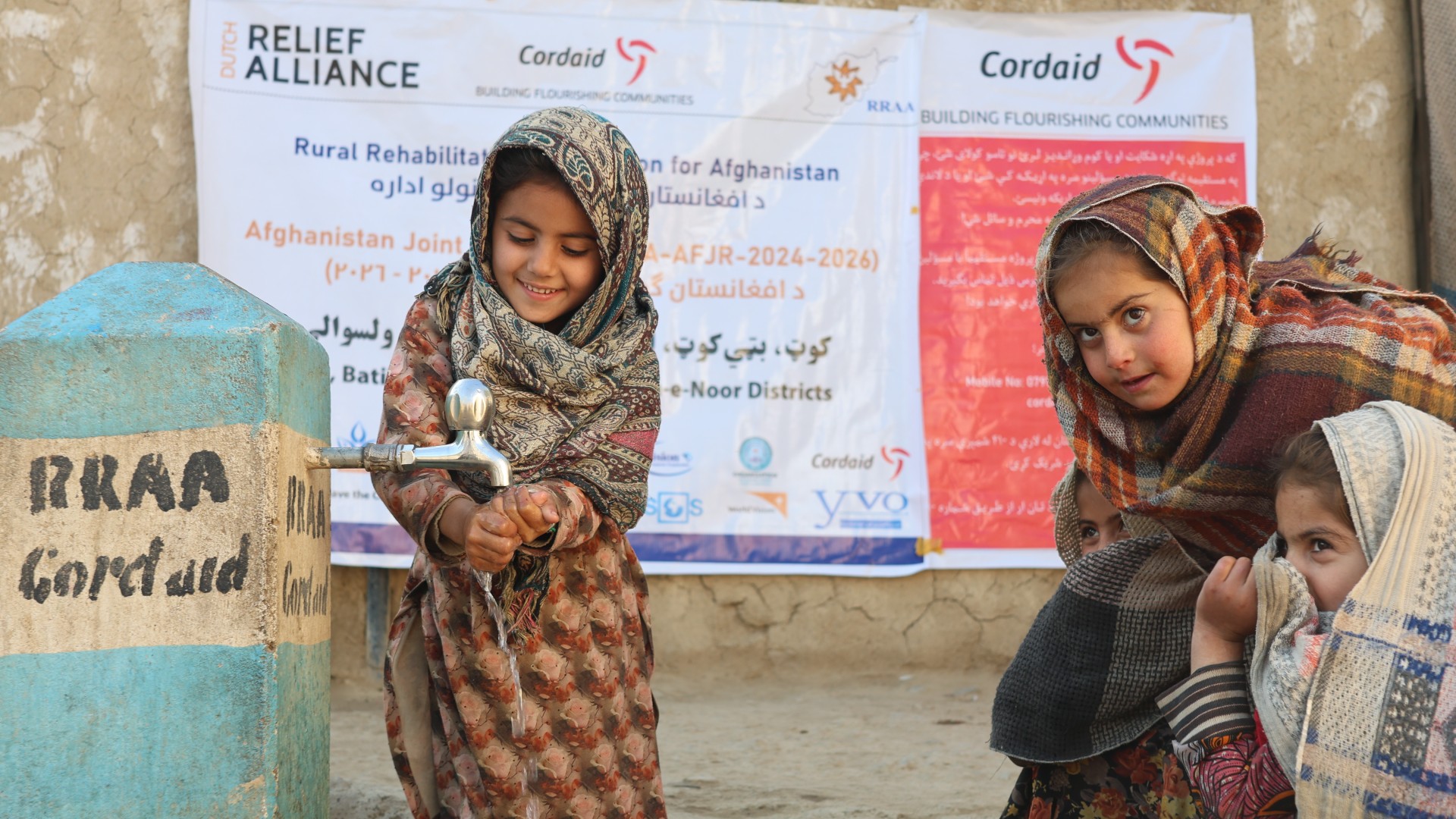
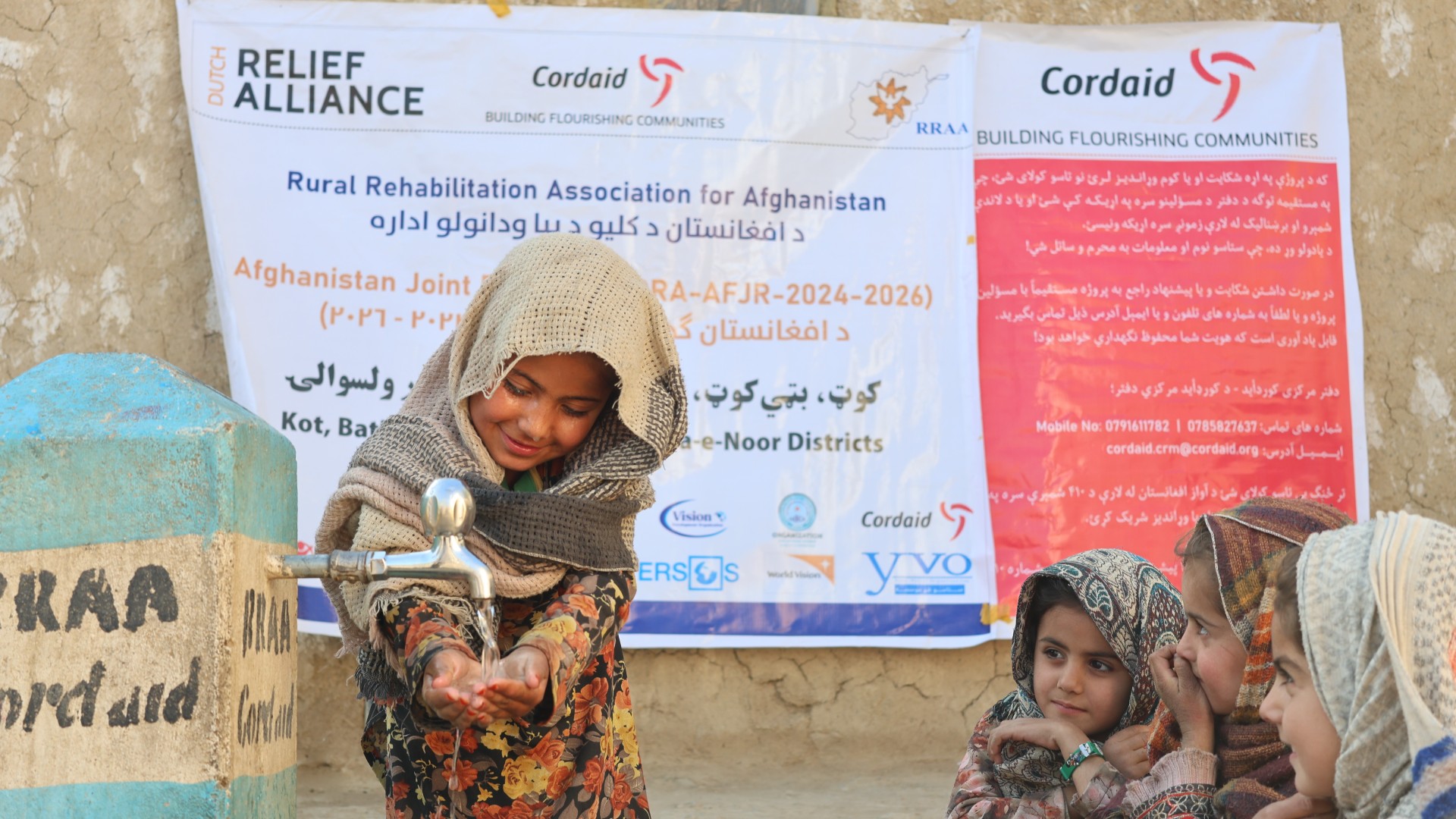
Solar-Powered Water Supply Bringing Health and Dignity to Families in Nangarhar Province
Background
Access to clean and safe drinking water remains a major challenge for many rural communities in Nangarhar Province, particularly in remote villages where households rely on unsafe or distant water sources. In Achin District, families have long struggled with water scarcity, forcing women and children to spend hours each day collecting water from traditional sources such as karezes (qanats), often exposing them to health risks and physical hardship.
The Challenge
Among those affected was Halim Khan, a 39-year-old resident of Abdulkhail Village, who lives with his family of seven members, including his eldest daughter Robina. Halim Khan explained that before the project was implemented, his family faced serious challenges due to the lack of safe drinking water. Like many other households in the village, they relied on distant and unsafe water sources. He added that the use of contaminated water often caused illness among children in the community.
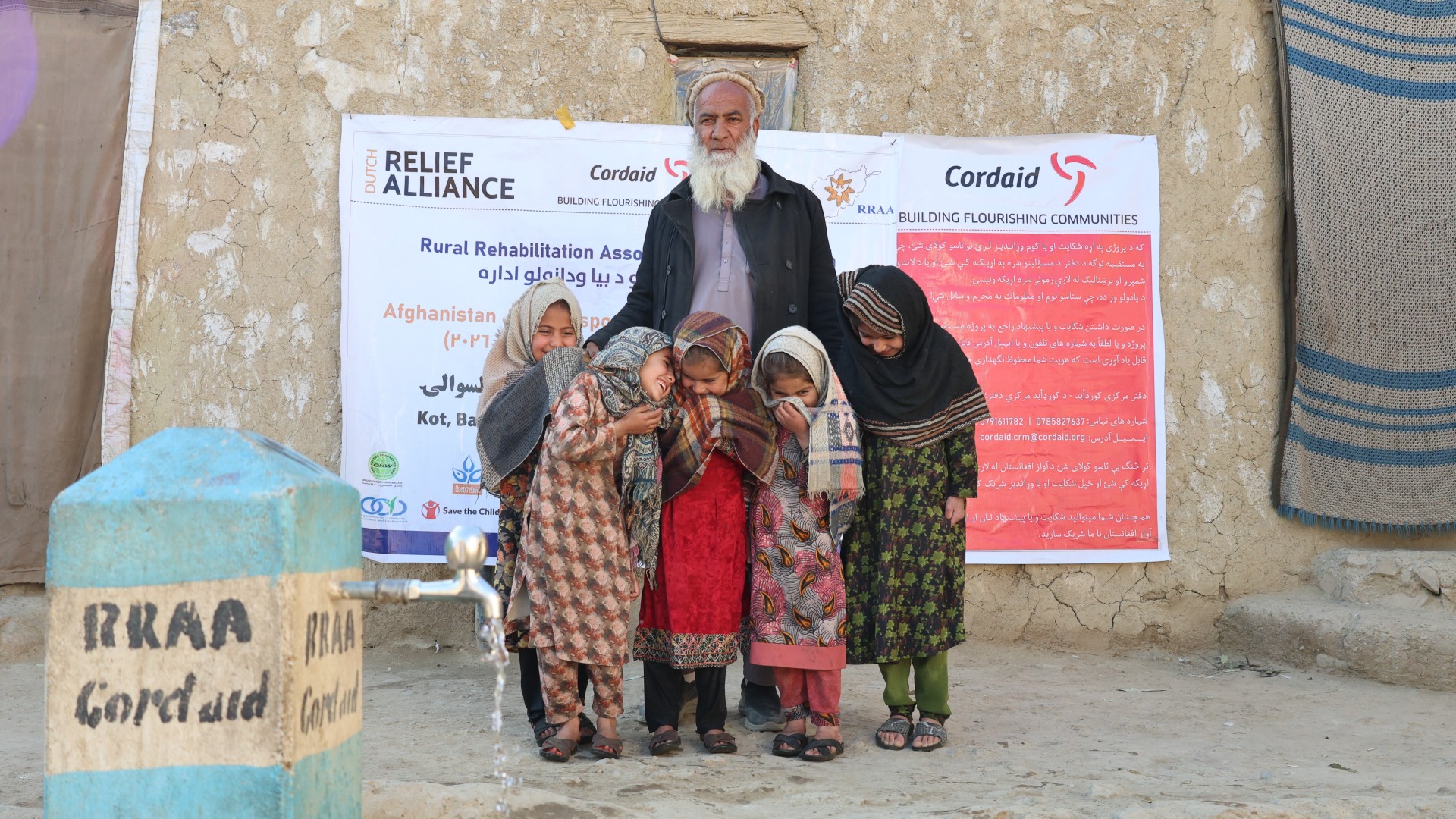
"We had to collect water from the karez, which was far from our home. Most of the time women and children had to walk long distances every day just to bring water. Our children frequently became sick because the water was not clean. During the dry season, the situation became even worse, and I constantly worried about my children’s health."
Community Water Solution Bringing Hope
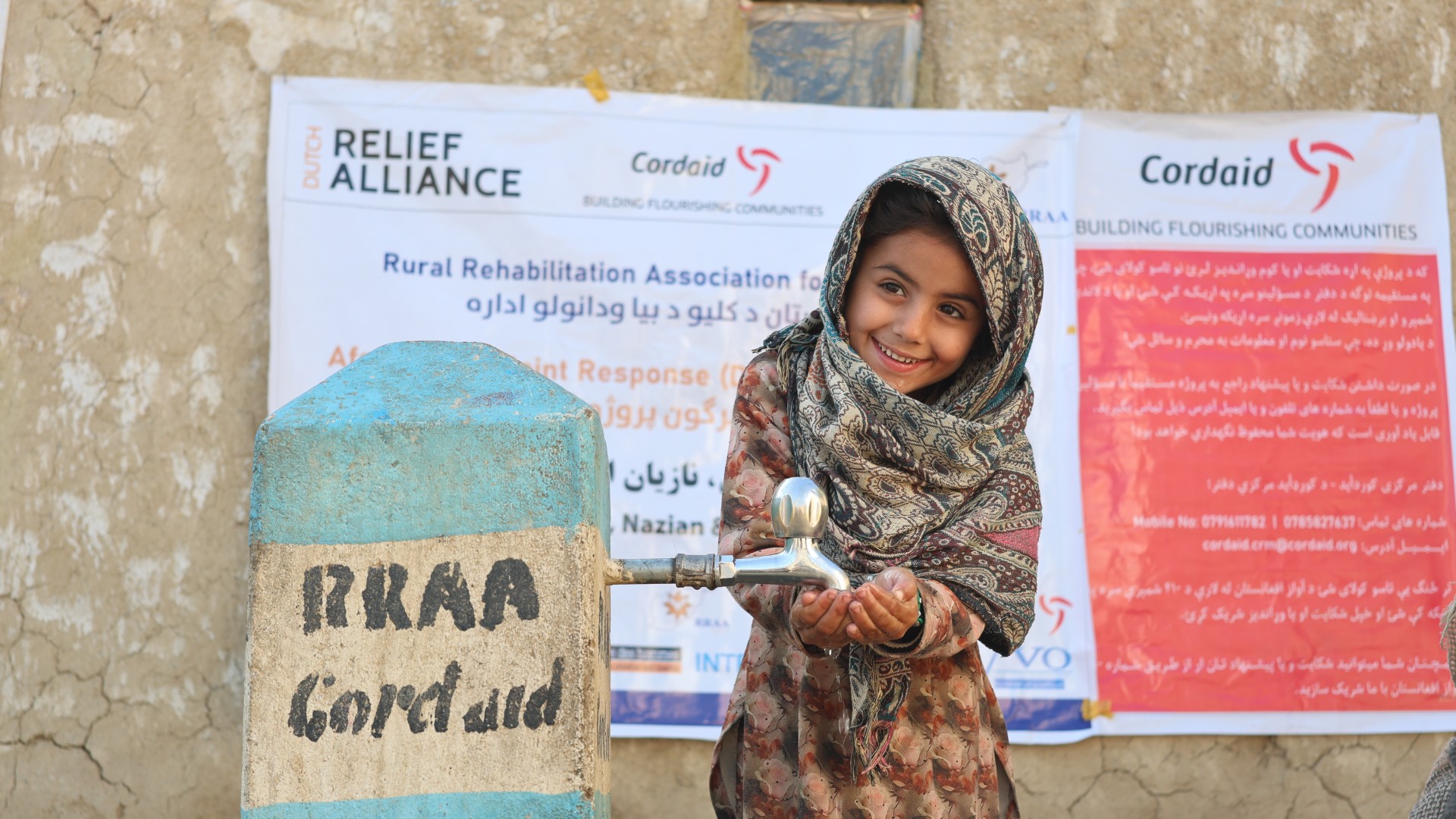
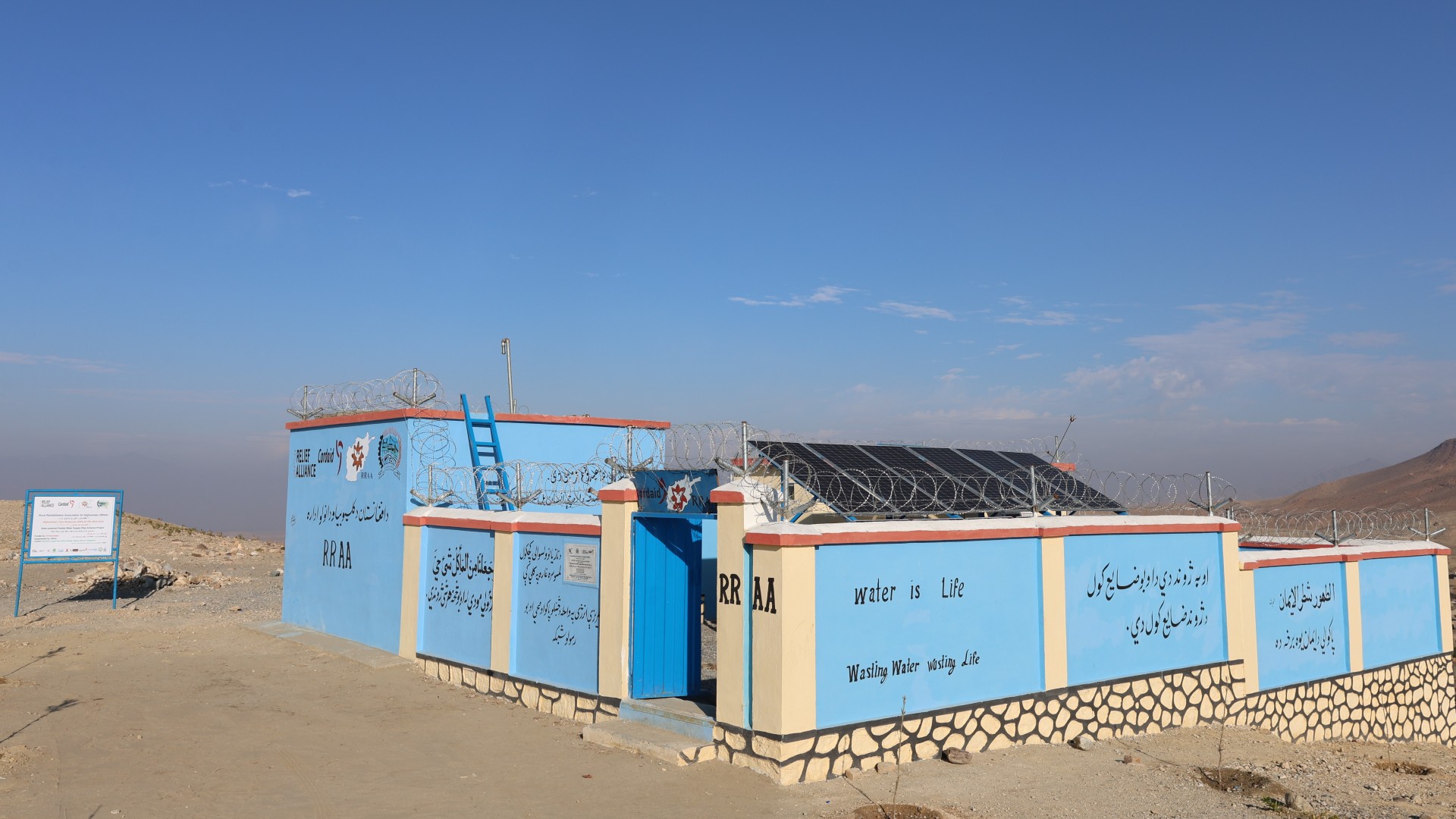
With financial support from DRA-AFJR and the leadership of Cordaid, the Rural Rehabilitation Association for Afghanistan (RRAA) implemented a solar-powered water supply pipe scheme network in Abdulkhail Village. The project established a water system with a 20,000-liter storage tank and 34 stand taps connected through a house-to-house pipe network, providing reliable access to safe drinking water. In addition, hygiene promotion sessions were conducted, and hygiene kits were distributed to help improve community awareness of sanitation and hygiene practices.
Key Achievement / Impact Statistic
151 households provided with reliable access to safe drinking water.
110 households received hygiene kits and hygiene promotion training.
Installation of a 20,000-liter storage tank and 34 stand taps.
The Impact
Halim Khan shared that the project has significantly improved the lives of families in the village. The time saved from water collection has allowed families to focus on other important activities. Children now have more time to attend school and study, while families can focus on household work and other productive activities. He also noted a major improvement in community health, as waterborne diseases and cases of diarrhea have decreased significantly.
"Now we have clean drinking water close to our homes. Our women and children no longer need to walk long distances to fetch water. Since the installation of the water supply system, waterborne diseases and cases of diarrhea have decreased significantly in our community. With clean water available near our homes, our lives have changed for the better. This project has reduced our daily hardships and improved the health and dignity of our families, especially for women and children."
Conclusion
Reflecting on the impact of the project, Halim Khan expressed his gratitude to the organizations that made the initiative possible: "I sincerely thank Cordaid for their generous support and RRAA for successfully implementing this life-changing WASH project. Your efforts have made a lasting impact on our community."